
Industry: Cannabis Retail
Project: Local SEO Optimization
Duration: 8 Months
Market: Fierce Urban Competition
Client: Confidential
Overview
This dispensary, with 29 locations scattered across a crowded state, struggled to get noticed online for their most profitable products. Their specialized services hardly showed up in search results, and mobile visitors rarely turned into customers.
Advertising options in cannabis are tight—so organic local search was the go-to path for growth. Yet, basic local SEO elements were barely there.
We targeted six major problem spots:
– Core product searches barely showed them
– Reviews were generic and lacked product mentions
– Specialized service keywords weren’t optimized
– Google Q&A went unused
– Local keywords missed specific products and neighborhoods
– Mobile site was slow and clunky during quick consultation lookups
What Was Wrong?
1. Core Product Visibility Lagged
The dispensary sold well inside stores but didn’t appear in local packs for searches like “premium indica near me,” “THC vape cartridges [city],” or “CBD sleep gummies local.” Strangely, some rivals with fewer stores outranked them because their local SEO signals were stronger.
Result? Buyers searching with intent clicked on competitors before they ever saw this dispensary.
2. Customer Reviews Fell Flat
Sure, there were reviews—but most said things like “Great place” or “Friendly staff.” None highlighted particular products with relevant keywords—a crucial factor to gain topical trust and boost rankings.
Without those detailed reviews, Google had no strong signals linking the business to specific offerings.
3. Specialized Services Were Invisible Online
They offered consultations and educational support but failed to showcase them properly:
No dedicated service pages. No FAQs answering common questions. No schema markup describing those services.
So, searches such as “dispensary consultation near me” or “cannabis dosage guidance [city]” went unanswered by their listings.
4. Google Q&A Was Neglected
Their Q&A section sat empty while users asked about product availability, how consultations worked, ID checks, payment methods—none answered.
That silence cost them keyword opportunities and customer trust at the exact moment buyers sought quick info.
5. Weak Local Keyword Focus on Products
Website content mentioned products broadly without tying them to locations like “[City] live resin carts” or “organic flower in [neighborhood].”
Missing city names or neighborhood references meant they lost out on relevance signals that help with local rankings.
6. Mobile Experience Dropped the Ball
More than 72% of visitors used phones—but pages loaded slowly; buttons were hard to tap; no click-to-call shortcuts existed; navigation felt complicated especially when people wanted fast consultations on the move.
Users gave up before finishing bookings or calls.
How We Turned Things Around
Step One: Fixing Foundations
We audited every inch of their Google Business Profile—cleaned up categories, expanded service listings within GBP, tidied citations so name/address/phone matched everywhere perfectly.
Step Two: Building Product Authority
Created landing spots targeting core products alongside city names. Added structured FAQs tied directly to these terms plus local schema markup so Google clearly understood what they offered.
Step Three: Review Strategy Overhaul
Instead of just asking customers for reviews blindly—we guided feedback requests so shoppers mentioned exact items bought (“Blue Dream vape”), how staff helped during consultations, even location details.
Step Four: Activating Google Q&A
Seeded frequently asked questions that real buyers typed in daily; wrote clear answers packed with relevant keywords plus city modifiers; tracked engagement week after week till it became a mini landing page right inside search results.
Step Five: Mobile Fixes
Speed boosted dramatically; navigation simplified around discovering key products fast; sticky call button added so users could reach out instantly; streamlined consultation booking flow cut decision time down under a minute.
The Payoff After Eight Months
Search Visibility Took Off
Core product phrases climbed into top three spots within local packs — rankings for purchase-intent keywords jumped by 140%. Impressions from nearby searches soared.
Review Signals Skyrocketed
Mentions referencing specific products increased over 200%, review frequency kept climbing month-to-month — helping deepen Google’s understanding of what made this dispensary unique.
Mobile Behavior Improved Sharply
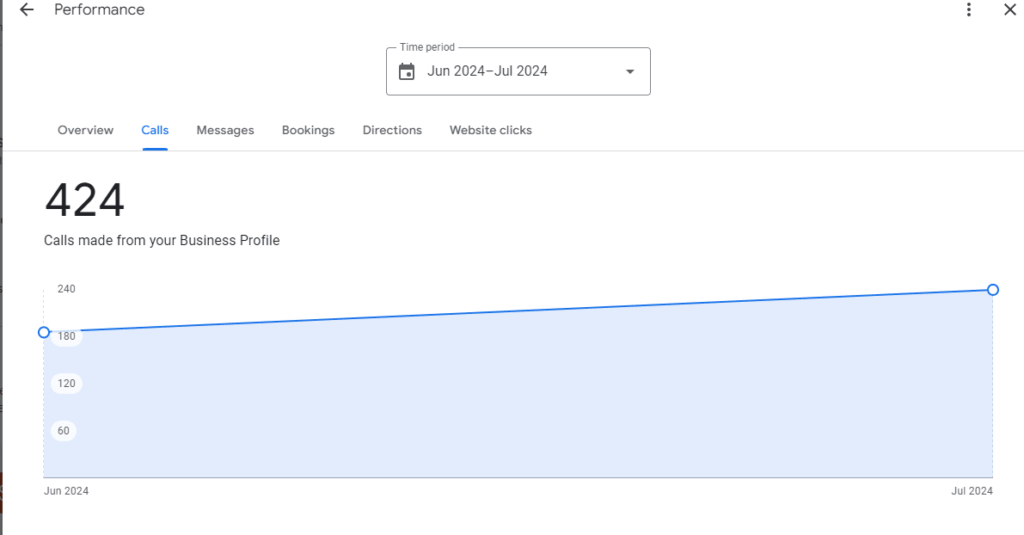
Bounce rates dropped by 38%; click-to-call rates surged 62%; inquiries about consultations nearly doubled as visitors found what they needed quickly on phones.
Local Engagement Jumped Too
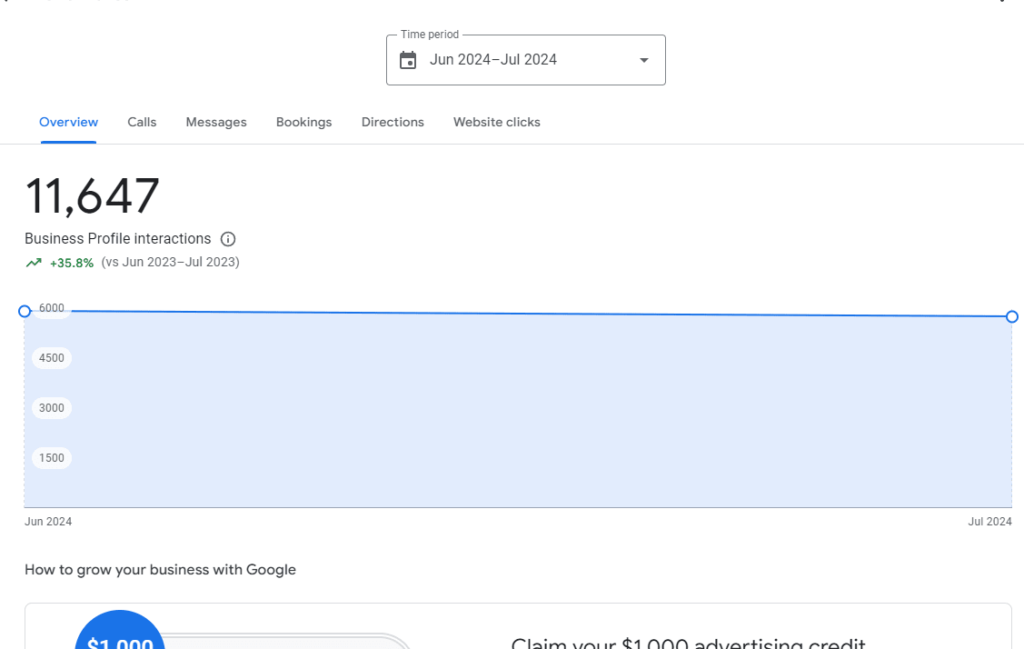
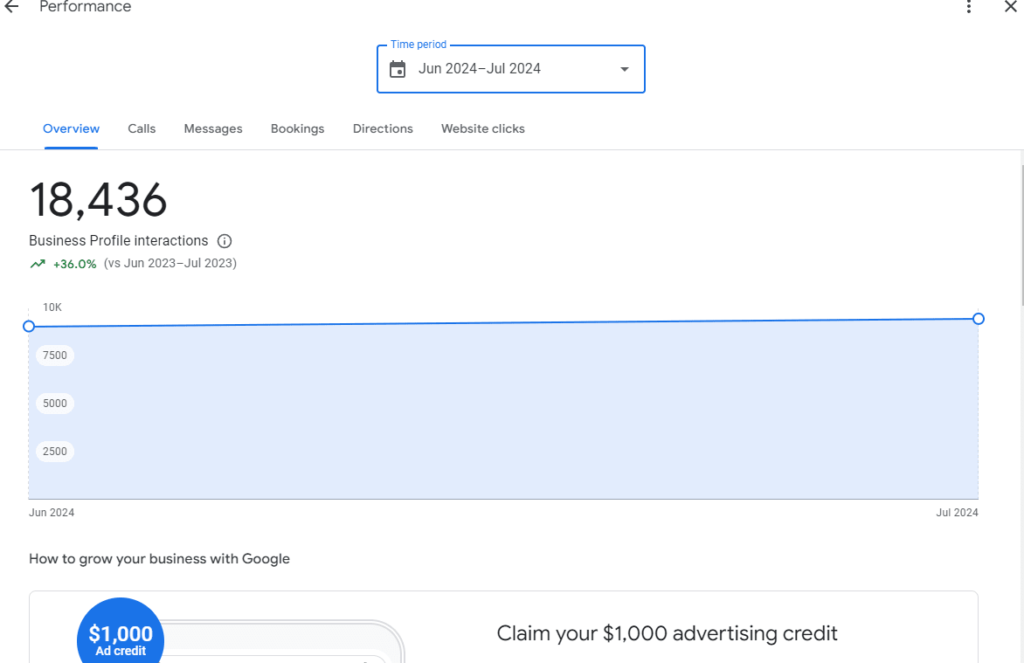
Driving direction requests grew substantially while Q&A impressions rose steadily — more people stuck around inside map packs longer.
What We Learned
In cannabis retail—where paid ads are mostly off-limits—local SEO isn’t optional anymore. It forms the backbone of any digital presence aiming to attract serious buyers nearby who want fast answers and trusted experiences.
This success wasn’t about flooding pages with content—it came down to building product-specific authority through smart review collection strategies paired with targeted question-answering plus tuning everything around mobile convenience.
Addressing poor visibility in local searches wasn’t easy—but it changed everything here. Adding genuine product reviews brought trust; optimizing service keywords opened new doors; activating Google’s Q&A helped capture buyer intent exactly when it mattered most—and improving mobile let customers act fast without frustration.
No paid ads required—the dispensary moved from background noise to dominant local force simply by getting these basics right.